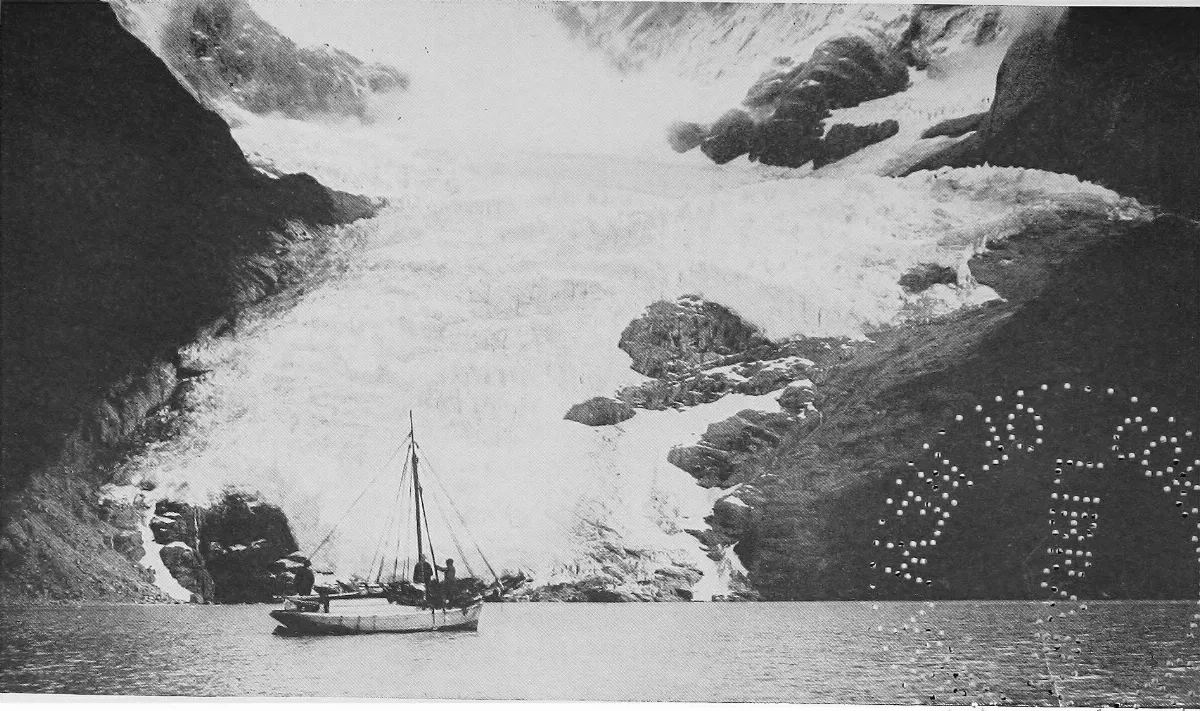
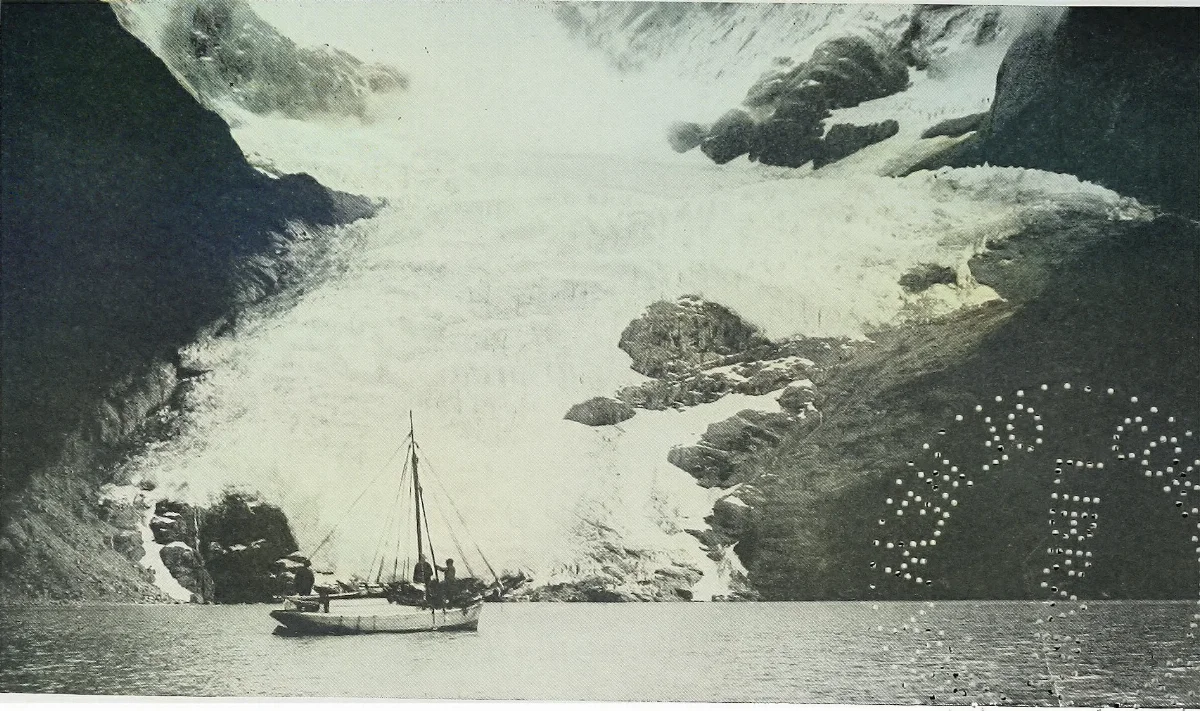
Image from page 24 of "Chile today and tomorrow" (1922) (14746577786)
Identifier: cu31924021189315 Title: Chile today and tomorrow Year: 1922 (1920s) Authors: Joyce, Lilian Elwyn (Elliott), 1884- Subjects: Publisher: New York, The Macmillan company View Book Page: Book Viewer About This Book: Catalog Entry View All Images: All Images From Book Click here to view book online to see this illustration in context in a browseable online version of this book. Text Appearing Before Image: ht months — everyinch of ground that is not artificially irrigated hastaken on a uniform sandy hue. The whole earth isparched and the roads are a foot deep in dust. Butwithin a week of the first rain a shimmering veil of lightgreen tinges the land; in ten days every knoll and hill-side has its carpet of young grass, and in a month thewhole face of the country is changed, awakened, bril-liant, bursting out with sturdy fertility. Such riversas the Aconcagua and the Mapocho, dwindled to rip-pling threads among the wide stone-strewn beds, arechanged in a night to raging torrents, fed from the sidesof the mountains. More than once these silver streamshave swept from their shallow banks, torn down pro-tecting barriers, and done serious material damage, be-sides changing their courses — a matter of great im-port in regions where water-rights are the chief causesof quarrel among farmers. With the setting in of the definite dry season at thebeginning of September, the upper part of Central Text Appearing After Image: o CU E CHILE: TODAY AND TOMORROW 7 Chile thenceforth forgets the sound of rain for overhalf a year. Bright blue skies and unrelenting mid-day heat are almost unchanged; the watered country isa series of orchards, and the famous big black grapes,the peaches and plums and apples of Central Chile,succeed the strawberry crops. Chile in the early partof the dry season is a garden of flowers, and the fruit-ripening at the end of the year fills the valleys withbusy scenes. There are thousands of workers in theorchards, grain fields and vineyards, and the heavy-wheeled ox-carts send up swirling masses of dust inevery lane. Before the New Year the snow has meltedunder the summer sun from almost every part of theCordilleras, although I have seen it linger in deep foldsof Aconcagua and Tupungato until late February.Down south in Magellanic territory the permanentsnow line comes down to a couple of thousand feetabove sea level, and cold weather is the rule. Thesqualls of the Strait are generally Note About Images Please note that these images are extracted from scanned page images that may have been digitally enhanced for readability - coloration and appearance of these illustrations may not perfectly resemble the original work.
Licencia1922 (Ano)
internetarchivebookimages — Wikimedia Commons (CC BY-SA 2.0)
internetarchivebookimages
Wikimedia Commons
Comentarios
No hay comentarios aún. Sé el primero en comentar.